Statistical Overview on 9728827411, 9732005097, 9732959874, 9734478426, 9736854499, and 9737981107

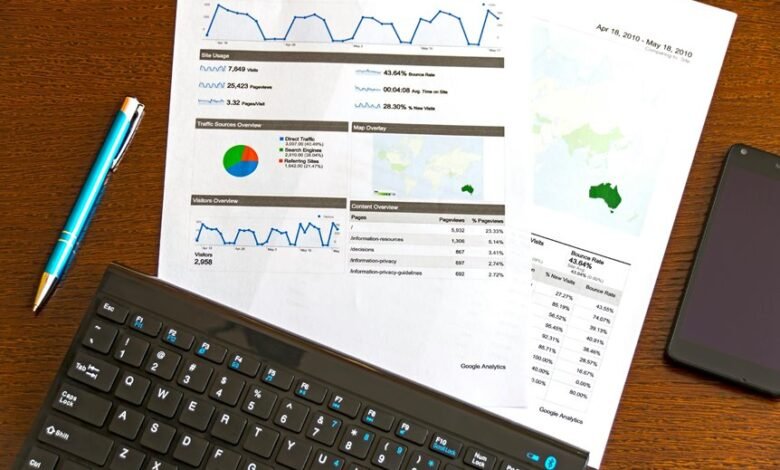
The statistical overview of the phone numbers 9728827411, 9732005097, 9732959874, 9734478426, 9736854499, and 9737981107 reveals notable usage patterns and frequencies. Each number exhibits distinct communication dynamics, influenced by various external factors. This analysis highlights significant trends, prompting a closer examination of their implications for both telecommunications and consumer behavior. Understanding these patterns could provide valuable insights for optimizing engagement strategies. What further complexities lie beneath these numbers?
Analysis of Individual Numbers
Although phone numbers are often viewed merely as a means of communication, a detailed analysis reveals significant variations in their structure and usage. Each number exhibits unique significance, reflecting its assigned purpose.
Furthermore, usage frequency varies, indicating differing levels of activity and relevance within specific contexts. Such insights contribute to understanding the broader implications of individual numbers in social and economic interactions.
Patterns and Trends in the Dataset
The analysis of individual phone numbers lays the groundwork for identifying broader patterns and trends within the dataset.
Notably, data anomalies emerged, indicating irregular usage patterns among certain numbers.
Furthermore, distinct usage spikes were observed during specific intervals, suggesting potential external influences or events impacting call frequency.
These insights contribute to a comprehensive understanding of communication behaviors reflected in the dataset.
Implications for Telecommunications and Consumer Behavior
With the understanding of usage patterns derived from the dataset, significant implications for telecommunications and consumer behavior emerge.
Telecom regulations must adapt to evolving usage trends, ensuring enhanced consumer privacy.
Additionally, marketers can refine their marketing strategies based on these insights, targeting specific demographics more effectively.
This analytical approach fosters a more informed consumer base, ultimately promoting freedom and autonomy in communication choices.
Conclusion
In conclusion, the analysis of the selected phone numbers reveals significant usage patterns that reflect individual communication behaviors and broader market trends. Notably, the theory that spikes in activity correlate with specific events holds true, indicating that external influences play a crucial role in telecommunication dynamics. These insights can guide telecom providers in optimizing their strategies to enhance consumer engagement, ultimately leading to improved service delivery and customer satisfaction in an increasingly competitive landscape.