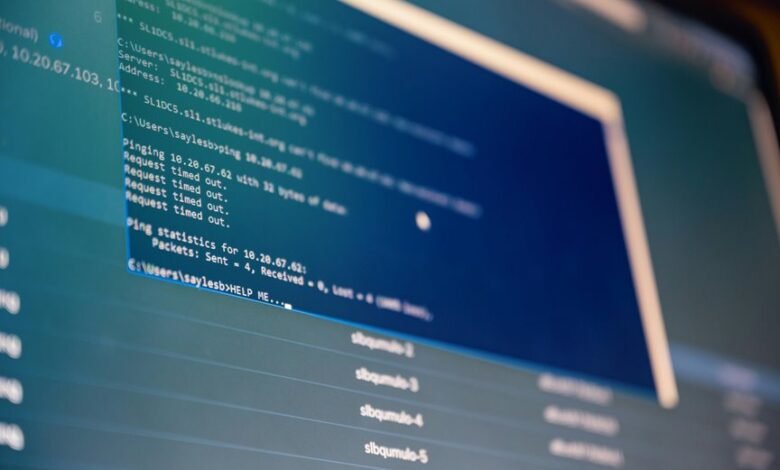
System traffic analysis is crucial for organizations aiming to enhance network performance and security. By systematically examining traffic patterns, anomalies can be identified, revealing potential vulnerabilities. This analytical approach requires the implementation of real-time monitoring tools and a commitment to continuous evaluation. Effective resource allocation is driven by data insights, leading to improved user experiences. However, understanding the intricacies of this process raises important questions about best practices and emerging challenges in traffic management.
Understanding System Traffic Patterns
System traffic patterns are frequently analyzed to discern the underlying behaviors and trends within a network.
By examining traffic flow, analysts identify normal usage patterns and detect data anomalies that may indicate security threats or inefficiencies.
This understanding fosters an environment of transparency and autonomy, empowering users to optimize resource allocation and enhance network performance while maintaining the integrity of their systems.
Identifying Vulnerabilities Through Traffic Analysis
How can traffic analysis unveil hidden vulnerabilities within a network?
By conducting a thorough vulnerability assessment, analysts can identify traffic anomalies that signify potential security weaknesses.
These anomalies may include unusual data patterns, unexpected spikes in traffic, or unauthorized access attempts.
Recognizing these indicators allows organizations to proactively address vulnerabilities, thereby fortifying their systems against potential threats and ensuring a more secure network environment.
Best Practices for Traffic Monitoring and Optimization
Effective traffic monitoring and optimization are vital for maintaining network integrity and performance.
Implementing real-time monitoring tools allows for immediate detection of anomalies, facilitating swift responses. Additionally, optimizing traffic through advanced algorithms enhances bandwidth utilization and reduces latency.
Regular analysis of traffic patterns informs strategic adjustments, empowering users with the freedom to navigate efficiently while ensuring robust security and reliability within the network.
Conclusion
In conclusion, system traffic analysis serves as a digital sentinel, vigilantly surveying the network landscape for anomalies and vulnerabilities. By continuously monitoring traffic patterns and optimizing resources, organizations can enhance both security and performance. This proactive approach not only fortifies the network against potential threats but also ensures an improved user experience. Ultimately, a robust traffic analysis framework is indispensable for maintaining the integrity and reliability of modern organizational infrastructures.