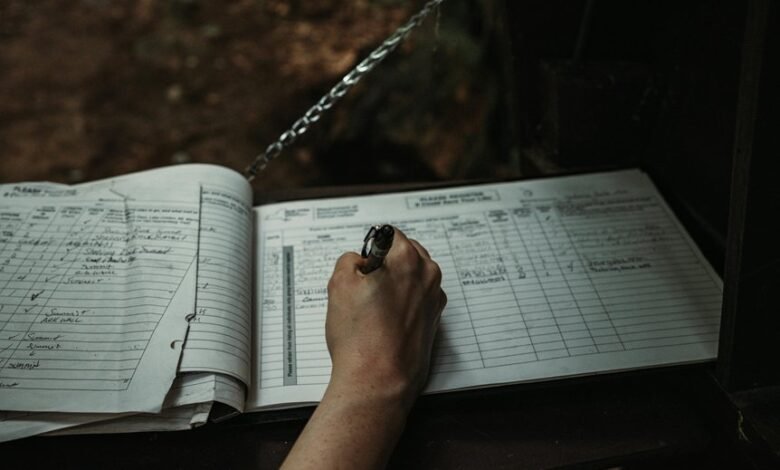
User activity documentation, particularly through Anoceligt and alerts logs, serves as a critical tool for organizations aiming to understand user behavior. These logs provide insights into interactions, enabling the identification of anomalies and timely responses to events. Effective logging not only enhances user experience but also ensures compliance with privacy standards. Understanding the intricacies of these logs is essential for operational efficiency and security. What are the key components that contribute to effective log management?
The Significance of User Activity Documentation
The importance of user activity documentation lies in its ability to enhance understanding and optimization of user interactions within digital platforms.
This documentation is crucial for maintaining user privacy and ensuring adherence to compliance regulations. By systematically tracking user behavior, organizations can identify areas for improvement while safeguarding individual rights, ultimately fostering a transparent environment conducive to user freedom and trust.
Understanding Anoceligt and Alerts Logs
Clarity in user activity monitoring is achieved through the effective utilization of Anoceligt and alerts logs.
Anoceligt overview provides essential insights into user behavior, enabling organizations to identify patterns and anomalies.
Additionally, alerts explanation highlights critical events, ensuring timely responses to potential security threats.
Together, these logs empower users to maintain autonomy while safeguarding their digital environments through informed decision-making.
Key Components of Effective Logging
Effective logging encompasses several critical components that contribute to its overall efficacy in monitoring user activity.
Log formatting ensures consistency and readability, facilitating quick analysis of recorded data.
Additionally, log retention policies are essential for compliance and operational efficiency, determining how long logs are stored and when they are purged.
Together, these elements form a robust framework for effective user activity tracking.
Best Practices for Maintaining Logs
Maintaining logs requires a systematic approach to ensure their integrity and usefulness over time. Organizations should establish log retention policies that balance compliance with operational needs.
Regularly reviewing audit trails fosters transparency and accountability, enabling timely identification of anomalies. Furthermore, employing automated tools for log analysis enhances efficiency, ultimately supporting informed decision-making while safeguarding user freedom.
These practices are essential for effective log management.
Conclusion
In conclusion, user activity documentation, particularly through Anoceligt and alerts logs, serves as the backbone of understanding user interactions and maintaining security. Just as a well-tuned orchestra harmonizes its instruments to create a cohesive sound, effective logging integrates various data points to enhance operational efficiency and user experience. By adhering to best practices in log management, organizations can not only identify anomalies swiftly but also foster transparency and trust among their user base, ensuring compliance with privacy regulations.